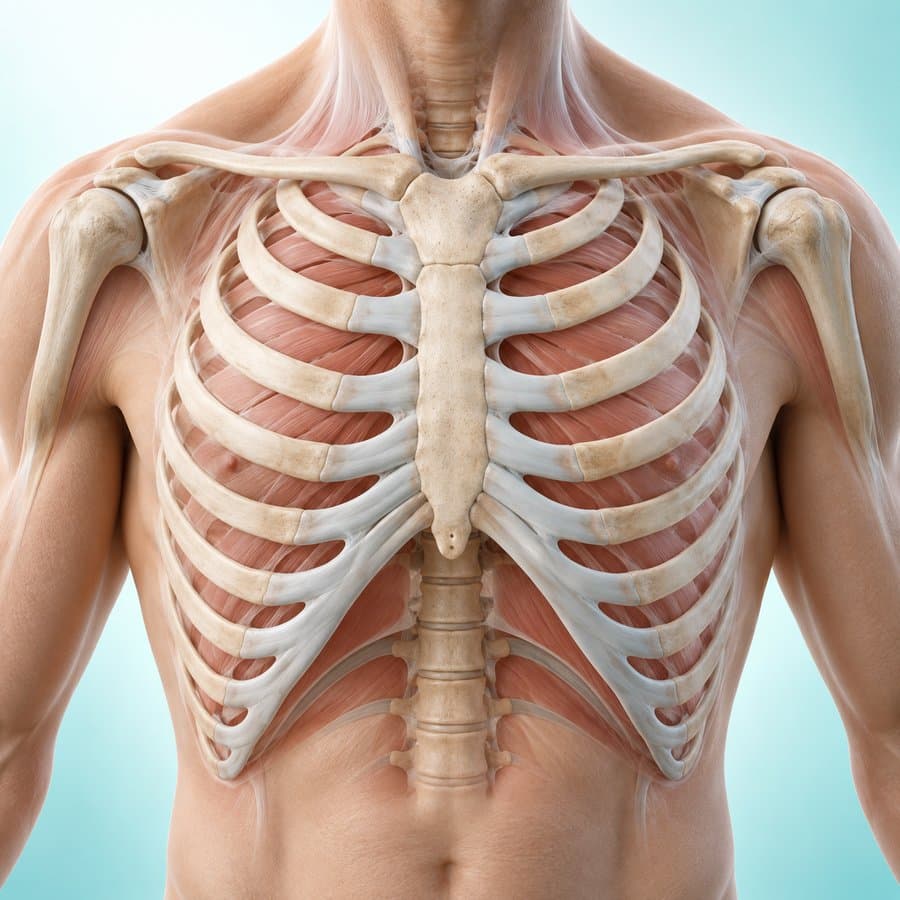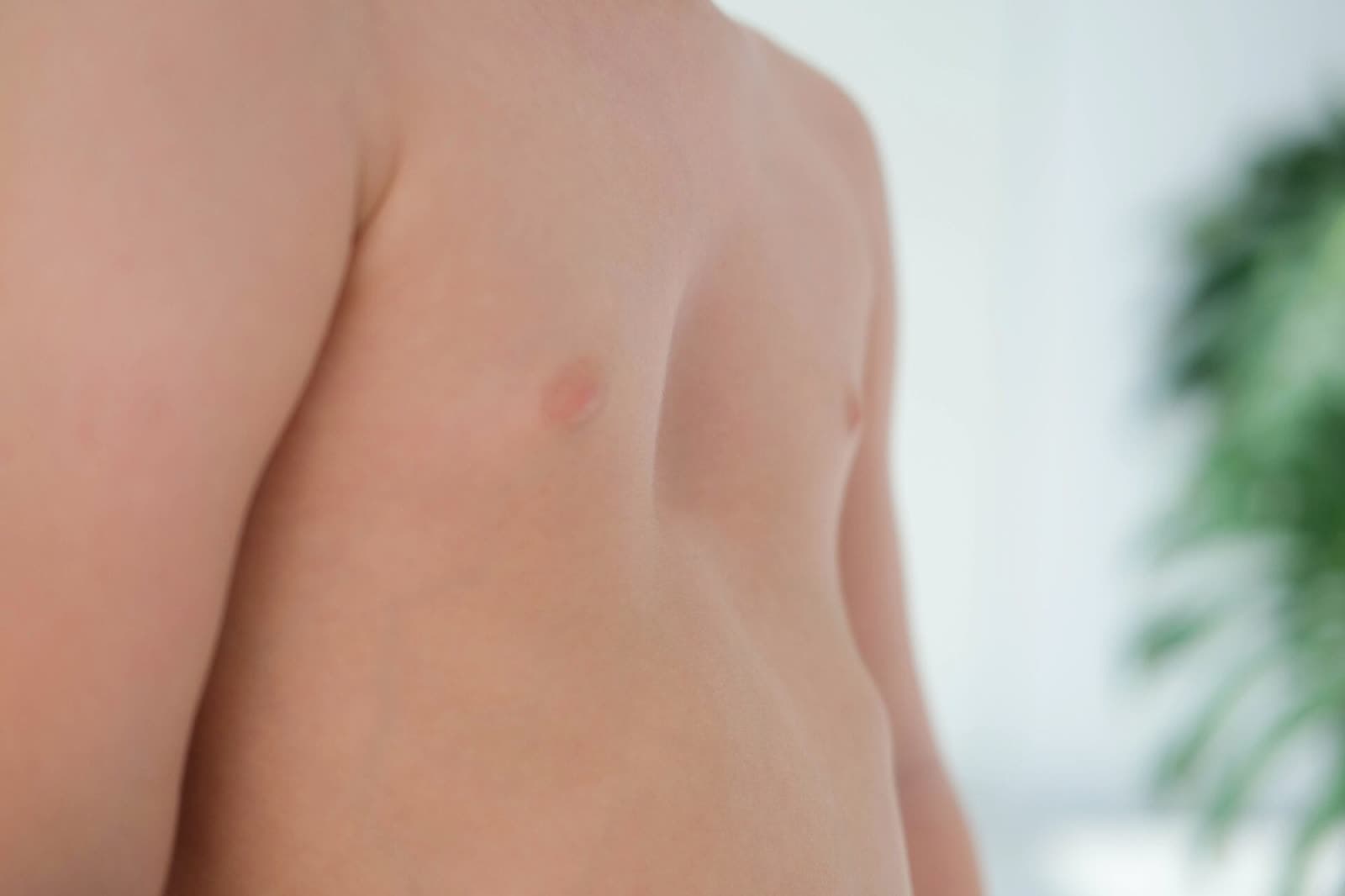
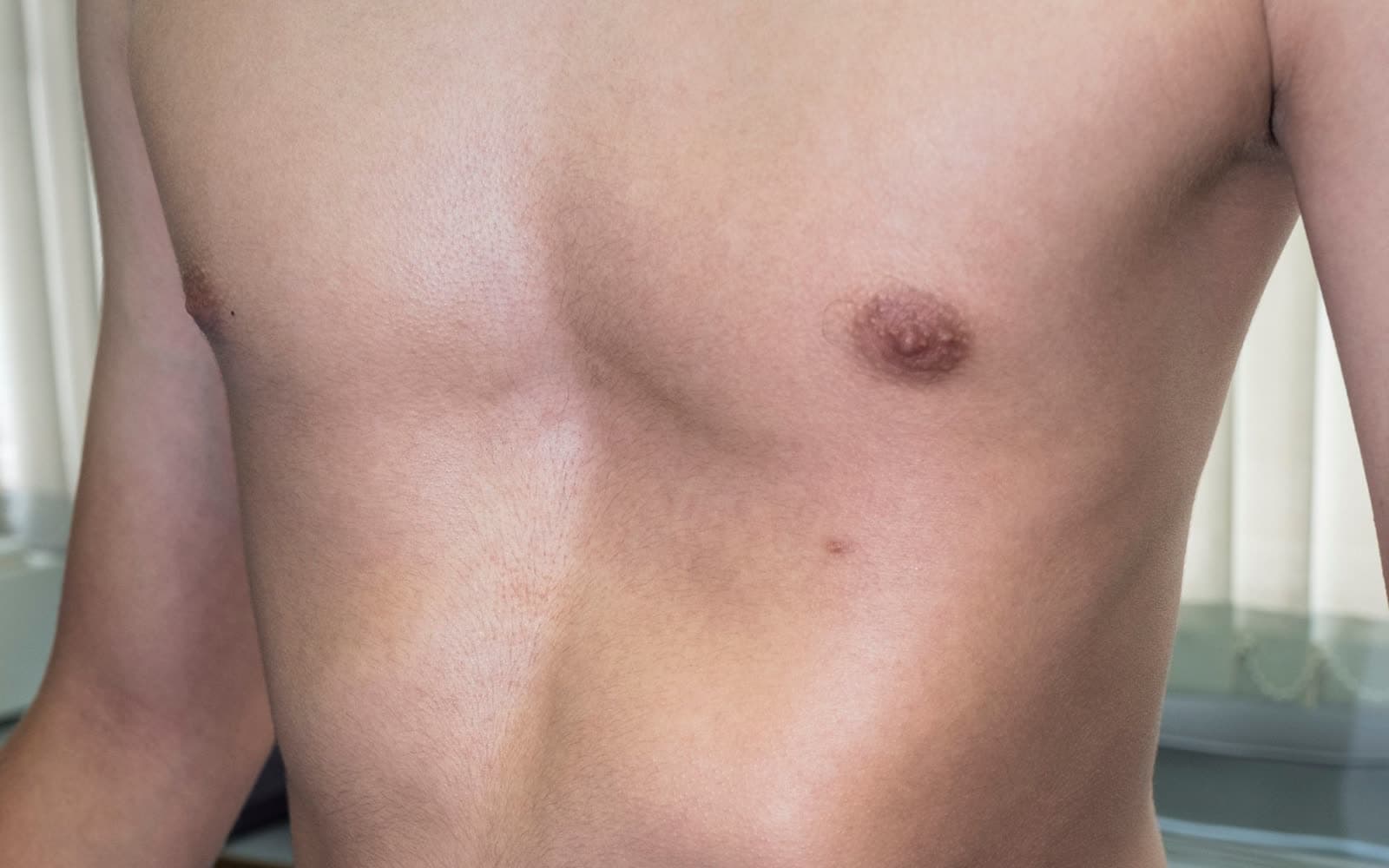
If your child has a sunken chest (pectus excavatum) or a protruding chest (pectus carinatum), you are not alone. These are among the most common chest wall differences seen in children and adolescents. Most are mild, yet some cause exercise intolerance, chest pain, or self consciousness that affects daily life. Families often ask when to seek treatment, which options are effective, how recovery really feels, and how to navigate insurance. This guide explains how Dr. Philip K. Frykman and Pacific Coast Pediatric Surgery approach evaluation and care, with practical timelines that align with school and sports seasons.
Who treats a chest wall deformity like pectus excavatum and carinatum
Pectus care is best led by a board certified pediatric surgeon with experience in chest wall deformities working closely with pediatric anesthesiologists and, when needed, cardiology and pulmonology. A pediatric surgeon evaluates severity, symptoms, exercise impact, and psychosocial concerns, then recommends observation, nonoperative therapy, or surgery based on your child’s age and growth stage.
Understanding the conditions and when to evaluate
Pectus excavatum involves inward curvature of the breastbone. Children may report shortness of breath with exertion, reduced endurance compared with peers, chest pain, or palpitations. Pectus carinatum involves outward prominence of the chest, which may cause tenderness over the cartilage or significant cosmetic concern during adolescence. An initial evaluation typically includes a careful physical exam, photographs for comparison over time, and when indicated, cross sectional imaging to estimate severity, pulmonary function testing, and cardiology assessment for cardiac compression or displacement.
You should seek specialist evaluation if the deformity appears to be progressing during a growth spurt; if your child limits activity due to chest discomfort or shortness of breath; or if posture changes, pain, or body image concerns are affecting confidence or participation in activities.
Nonoperative options: bracing and vacuum bell
Pectus carinatum often responds well to external bracing when started in late childhood or early adolescence while the chest wall is still flexible. Bracing requires faithful daily wear, typically months of full time use followed by tapering. Comfort, skin care, and scheduled adjustments are essential for success.
For selected patients with pectus excavatum, a vacuum bell may help elevate the sternum gradually by creating external suction over the chest. This treatment is especially helpful in mild to moderate, symmetric deformities with flexible cartilage, and with excellent adherence to a daily protocol over many months. Younger patients tend to have better results. Not every chest shape responds adequately, so your surgeon will counsel you on realistic expectations and objective measures of progress.
Exercise and posture work support all treatment paths. Targeted strengthening of back and core muscles, aerobic conditioning, and breathing exercises may improve stamina and appearance, even if they do not correct the underlying cartilage shape on their own.
Operative options and timing for a chest wall deformity
The most common minimally invasive operation for pectus excavatum is the Nuss procedure. The Nuss procedure is where a curved metal bar is placed behind the sternum through small incisions to lift the chest into a more normal position. The bar stays in place to remodel the chest, usually for two to three years, and is then removed in a short outpatient procedure.
What is the best age for pectus excavatum surgery? Timing is individualized. Many children benefit from surgery during early to mid adolescence, when the chest wall is still malleable yet large enough to support a stable correction. If symptoms are significant, earlier intervention may be appropriate. When deformity is mild and not progressing, observation with follow up is reasonable until growth clarifies the trajectory. Dr. Frykman guides timing with attention to symptom burden, objective testing, psychosocial impact, and the practical realities of school calendars and sports seasons, so families can plan for optimal recovery windows.
Is it worth getting pectus excavatum surgery? For children with functional limitations, cardiac compression, or significant psychosocial impact, surgery can provide meaningful improvements in exercise tolerance, chest discomfort, posture, and self confidence. A thorough consultation helps you weigh expected benefits against recovery demands and the commitment to temporary activity restrictions.
Recovery, restrictions, and hospital stay
How long do you stay in the hospital after pectus excavatum surgery? After a Nuss procedure, most patients stay two to four days, focused on pain control, safe mobility, breathing exercises, and return to oral intake. Pain regimens use a combination of medications and regional anesthesia techniques to reduce opioids when possible.
What can you not do after pectus excavatum surgery? For the first six weeks, children avoid lifting more than a few pounds, twisting, bending deeply at the waist. Reaching overhead is introduced gradually. Walking begins the day of or after surgery, and light aerobic activity increases steadily as comfort improves. Return to school usually occurs within one to two weeks with accommodations for carrying loads and participation in physical education. Non contact sports may resume in phases as cleared by the surgeon. Contact sports and heavy lifting are restricted longer to protect bar position; your team provides a clear schedule and a letter for coaches and schools.
Insurance coverage and documentation
Will insurance pay for pectus excavatum surgery? Many plans cover surgical correction when medical necessity is documented. Preauthorization is typically required. Your team may submit objective measures of severity, cardiac or pulmonary findings, exercise testing results, photographs, and notes describing pain, exercise intolerance, posture effects, and psychosocial impact. Coverage for bracing and vacuum bell devices varies by plan. Starting early with your insurer helps align surgery dates with school breaks or off seasons. The Pacific Coast Pediatric Surgery staff assists with benefit checks, documentation, and coordination with hospital billing.
Sports, activity, and long term outlook
Can you play sports with pectus excavatum? Yes. Many children with mild deformity participate fully without treatment, and those who undergo surgery typically return to sports after healing and clearance. Preoperative conditioning improves recovery, and post operative rehabilitation supports a safe return to running, swimming, and team activities. Families should plan competitive seasons in coordination with evaluation and, if needed, operative dates to minimize missed play.
Long term, nearly all children experience durable correction and improved stamina. The bar removal procedure usually has a brief recovery (1-2 weeks) and low complication rates when performed by an experienced pediatric surgeon.
How Dr. Frykman coordinates care
Dr. Philip K. Frykman combines careful evaluation, clear education, and family centered planning. He reviews imaging and test results with you, explains nonoperative and operative pathways, and builds a timeline that respects your child’s goals, academic calendar, and team commitments. For a deeper background on Dr. Frykman’s training and approach, you can read more here.
Pacific Coast Pediatric Surgery provides coordinated evaluation, second opinions, and planning support so your child can move confidently from assessment to recovery.
If you are seeking an evaluation for chest wall deformities in Los Angeles, the Conejo Valley, and Simi Valley, contact Pacific Coast Pediatric Surgery to schedule a consultation, and to learn how preauthorization, and scheduling work across regional hospitals.