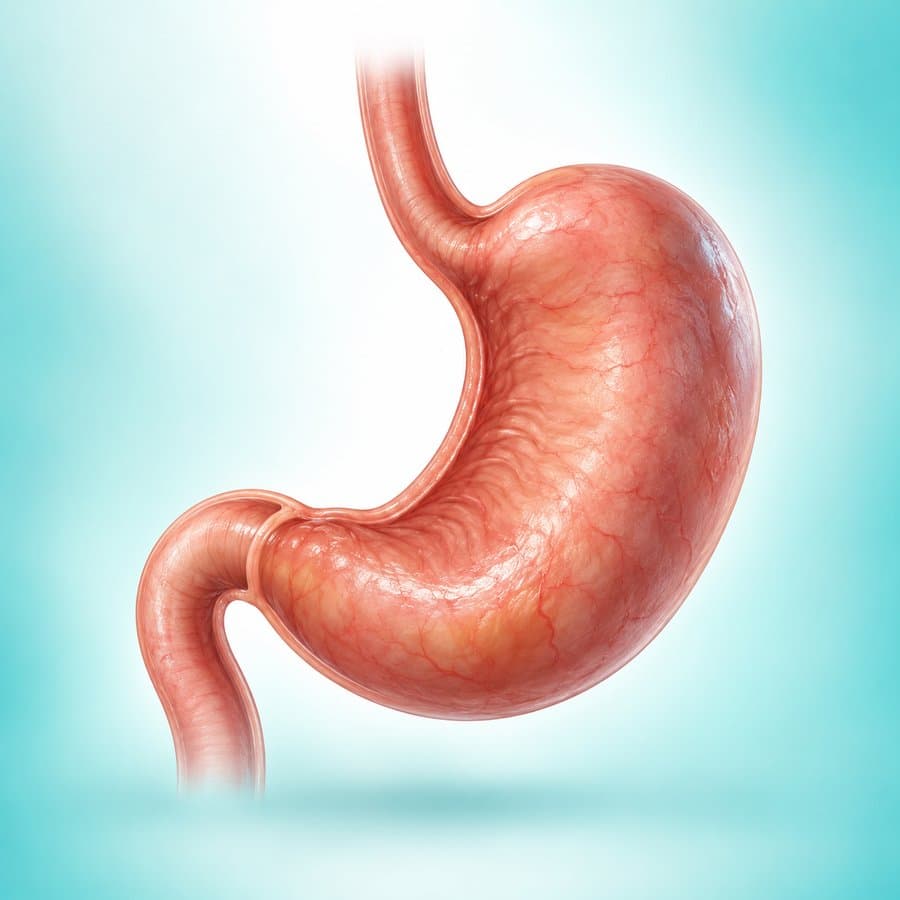


Anatomical illustration of the stomach and esophagus
Abdominal & Digestive

From feeding troubles to lasting relief

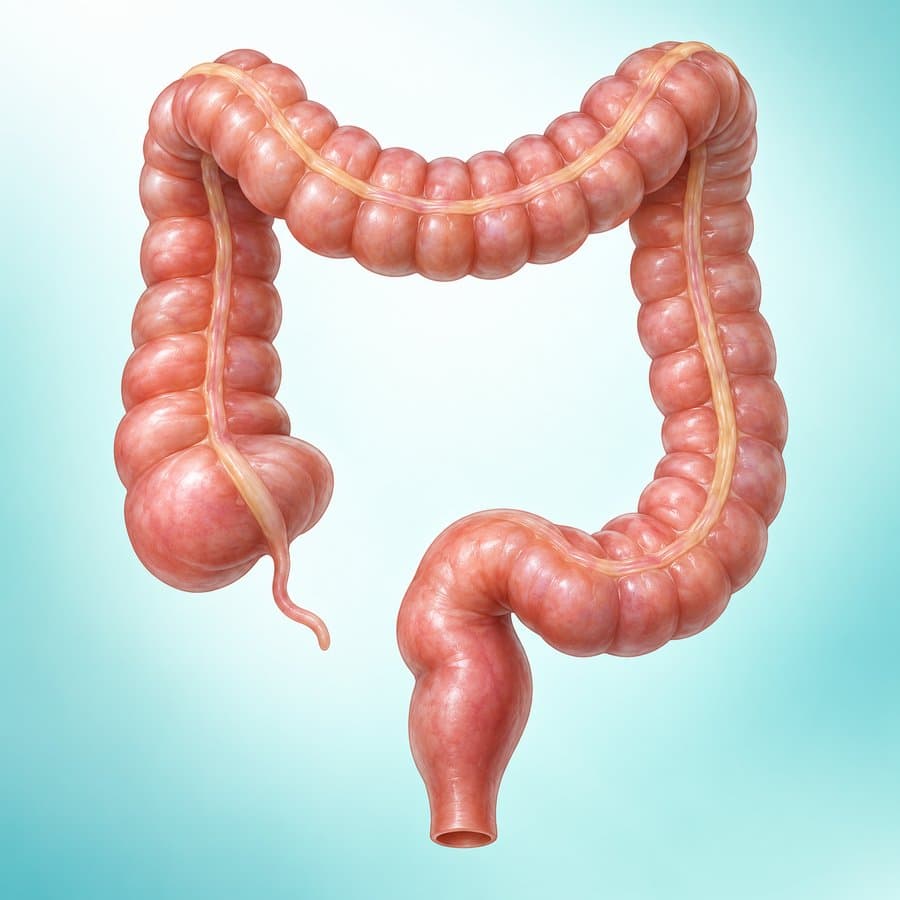
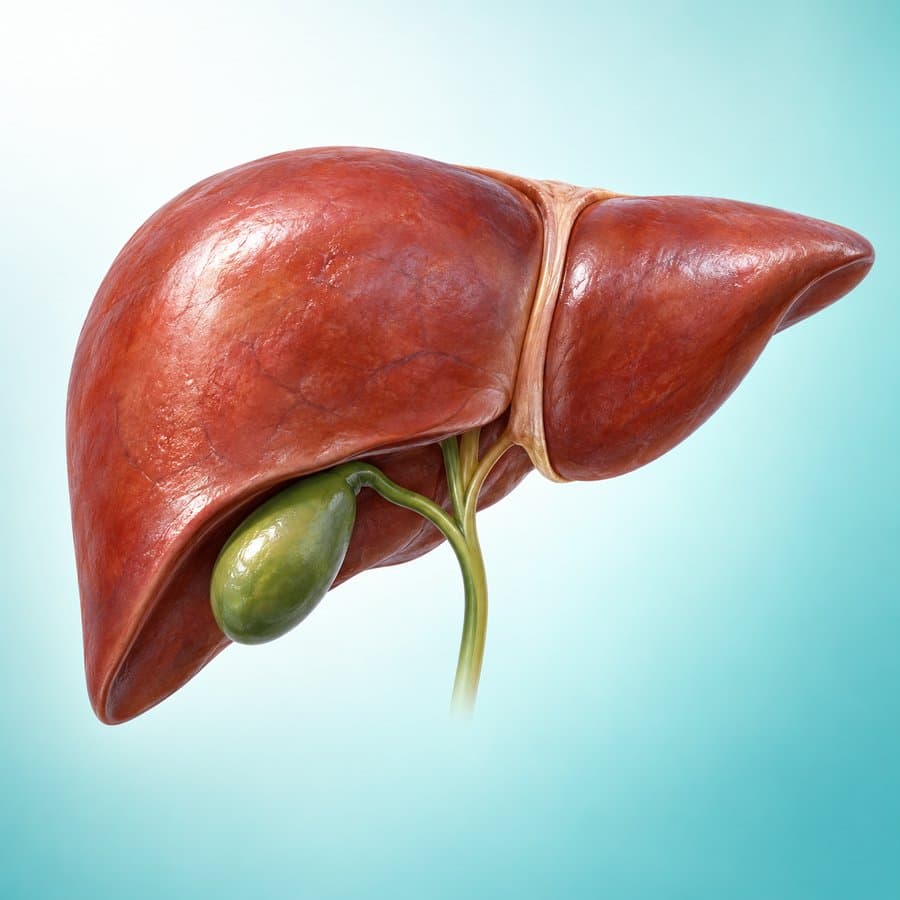
The digestive tract runs from the esophagus to the intestines, and children can be born with or develop conditions along its length. These include pyloric stenosis, intestinal malrotation, intussusception, severe reflux, Meckel's diverticulum, and blockages. Many of these have well-established, often minimally invasive treatments.

Typical age
Newborns through teens
Procedure time
Often 30 minutes to 2 hours
Hospital stay
Same day to several days
Back to play
Typically within a week or two
Signs & symptoms

What families usually notice

Every child is different. These are the most common reasons families come to us.

  • Forceful vomiting in a young baby

    Projectile vomiting after feeds in the first months of life can indicate pyloric stenosis, a thickening of the stomach outlet.

  • Green or yellow vomit

    Bile-stained vomiting in an infant is a warning sign of a blockage and needs urgent evaluation.

  • Sudden crying spells with drawn-up legs

    Episodes of intense pain that come and go, sometimes with jelly-like stool, can signal intussusception.

  • Reflux that will not respond

    When medicines and feeding changes are not enough, surgery can sometimes help.

  • Painless rectal bleeding

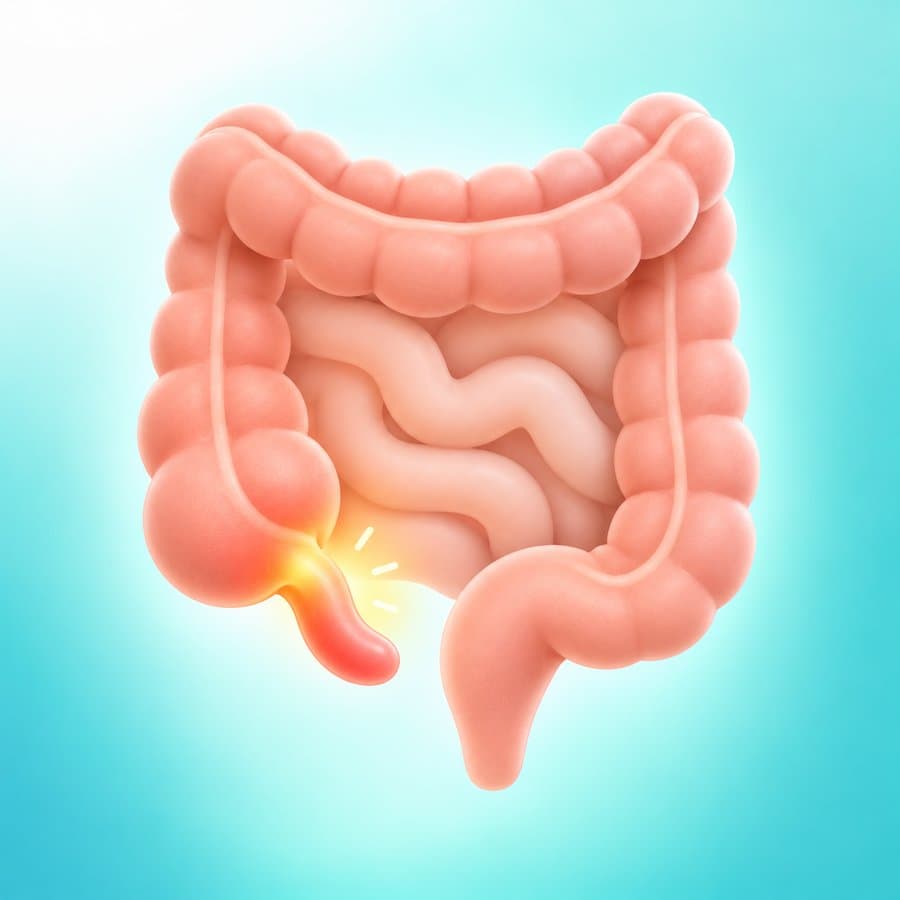
    A Meckel's diverticulum, a small pouch in the intestine, sometimes causes bleeding in young children.

  • Trouble swallowing or gaining weight

    Feeding difficulties and poor growth sometimes trace back to a structural cause.

When to call, and when to go straight in

Go to the emergency room or call 911 for green vomiting in a baby, a swollen hard belly, blood in stool with severe pain, or a child who is limp, pale, or difficult to console. For persistent reflux, feeding concerns, or a scheduled follow-up, call our office.

How we treat it

Dr. Frykman's approach

Minimally invasive wherever it is the safest choice, and a plan you can understand and take home.

  1. 01

    Laparoscopic expertise

    Pyloromyotomy, anti-reflux surgery, and many intestinal operations can typically be done through tiny incisions with quicker recovery.

  2. 02

    Non-surgical fixes first

    Intussusception is often treated by pediatric radiologists using an air or contrast enema, with surgery reserved for cases that do not resolve.

  3. 03

    Feeding-focused recovery

    We work with nutrition specialists and your pediatrician to get feeds back on track quickly and comfortably.

  4. 04

    Teamwork with GI

    Pediatric gastroenterologists and I plan together so no child has surgery that a medical treatment could avoid.

What to expect

Before, during and after

  1. Before

    Pinpointing the cause

    Ultrasound is often the first and only test needed. Contrast studies or endoscopy are added when helpful. IV fluids correct any dehydration before surgery.

  2. Day of surgery

    Targeted repair

    The operation addresses the specific problem, whether widening a narrowed outlet, untwisting the bowel, or removing a small segment. Most procedures are brief.

  3. Recovery

    Feeds resume, comfort returns

    Babies often start feeding within hours after pyloromyotomy. Larger operations need a few days for the bowel to wake up before full feeds.

Recovery

Getting back to being a kid

  • Feeding advances step by step according to a written plan.

  • Some spit-up after surgery is normal at first and improves.

  • Incisions are small and usually need only simple care.

  • Watch for fever, worsening vomiting, or a swollen belly and call if you see them.

  • Follow-up confirms healthy weight gain and healing.

Questions

What parents ask us

Still wondering about something? Bring every question to the consultation. Nothing is too small.

  • It is one of the most common and well-established infant operations, performed under the care of pediatric anesthesiologists.

  • Usually not for long. Most children return to a normal age-appropriate diet.

  • It can recur in a small number of children, most often within days. We tell you exactly what to watch for.

  • Anti-reflux surgery helps many children significantly, though it is reserved for those with severe symptoms despite medical care.

Talk it through

Discuss this with Dr. Frykman

Request an appointment and a member of the team will call you back. Urgent concerns are triaged the same day wherever possible.

Dr. Philip K. Frykman

Dr. Philip K. Frykman

Board-certified pediatric surgeon

Feeding your baby should be a joy, not a source of fear, and I will help you get there.
From the blog

Related reading

All articles
  • High five, nurse and black child patient in hospital for success of surgery for congenital heart disease. Checkup, sick and cardiology medical worker with African kid in bed for postoperative care.Abdominal & Digestive

    7 min read

    What to Expect with Pediatric Gastrointestinal Surgery

    Hearing your child needs gastrointestinal (GI) surgery can be one of the most frightening experiences a parent can face. The complexity of the digestive system, combined with the natural anxiety that comes with any surgical procedure involving your child, creates a perfect storm of worry and uncertainty. However, knowing what to expect from this procedure…

    Read article

  • Esophageal Conditions in ChildrenAbdominal & Digestive

    4 min read

    Early Diagnosis and Treatment of Pediatric Esophageal Conditions

    In pediatric health, timely intervention is critical, particularly for complex conditions like esophageal disorders. The esophagus – a vital part of the digestive system – transports food and liquids from the mouth to the stomach. In children, esophageal conditions can present unique challenges and require prompt diagnosis and treatment to ensure optimal outcomes. This article…

    Read article