Common concerns, handled with care
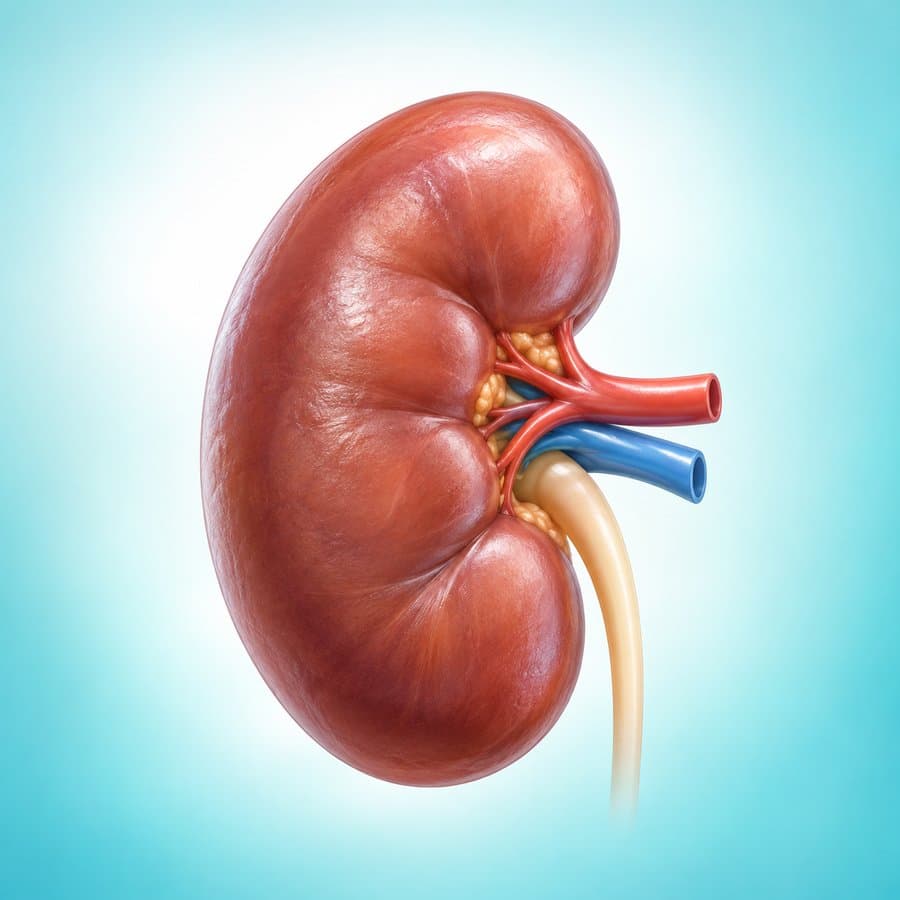
Genitourinary conditions involve the kidneys, bladder, and genitals. In pediatric surgery the most common are undescended testicles, hydroceles, and similar groin conditions, along with some congenital differences noticed at birth. These are usually straightforward to treat, and outcomes are generally very good when addressed at the right time.
- Typical age
- Often infancy through early childhood
- Procedure time
- Usually 30-60 minutes
- Hospital stay
- Often same-day discharge
- Back to play
- Gentle play within days
What families usually notice
Every child is different. These are the most common reasons families come to us about genitourinary conditions.
A testicle that cannot be felt
An undescended testicle has not moved into the scrotum. It is common in newborns, especially premature babies, and is often found at a well-child visit.
Painless scrotal swelling
A hydrocele is fluid around the testicle. Many resolve on their own in the first year.
A testicle that seems to move
A retractile testicle pulls up and down with a reflex. It usually needs no surgery but should be followed.
Differences noticed at birth
Some congenital conditions of the genitals are identified in the newborn nursery and referred to us for planning.
When to call, and when to go straight in
Sudden, severe testicular or scrotal pain, especially with swelling, nausea, or discoloration, is an emergency; go to the emergency room or call 911, as it may mean the blood supply is twisted. For painless swelling, an undescended testicle, or questions after a newborn exam, call our office.
Dr. Frykman's approach
Minimally invasive wherever it is the safest choice, and a plan you can understand and take home.
- 01
Right timing for undescended testicles
If the testicle has not descended by roughly six months to a year, surgery is typically recommended to protect future fertility and make exams easier.
- 02
Laparoscopy for hidden testicles
When a testicle cannot be felt, a tiny camera lets us find it and often bring it down in the same procedure.
- 03
Patience with hydroceles
Many infant hydroceles disappear by about a year. Those that persist are repaired through a small groin incision.
- 04
Coordination with pediatric urology
For complex urinary or genital conditions, I collaborate with pediatric urologists so your child gets the right specialist for each part of care.
Before, during and after
Before
A careful, calm exam
Most conditions are diagnosed by exam alone. We discuss whether to wait, watch, or schedule a procedure.
Day of surgery
Brief and outpatient
The procedure is performed under general anesthesia with a local numbing block. Most families are home the same day.
Recovery
Quick return to normal
Mild swelling and soreness fade over a week. A follow-up visit confirms the testicle is well positioned and healing is complete.
Getting back to being a kid
Over-the-counter pain relief as directed is usually sufficient.
Some scrotal swelling and bruising is expected and settles over days.
Avoid straddle toys and rough play for about two weeks.
Bathing guidance is given at discharge.
Call if you notice fever, spreading redness, or increasing pain.
What parents ask us
Still wondering about something? Bring every question to the consultation. Nothing is too small.
Bringing the testicle into the scrotum supports normal development and makes future self-exams possible.
Many do in the first year of life. Those that remain are repaired with a simple procedure.
Timely treatment is intended to protect future fertility. We will discuss your child's specific situation openly.
Incisions are small and placed in natural skin creases; they usually fade to a fine line.
Talk it through
Discuss this with Dr. Frykman
Request an appointment and a member of the team will call you back. Urgent concerns are triaged the same day wherever possible.

Dr. Philip K. Frykman
Board-certified pediatric surgeon
These are among the most common things I treat, and I want you to leave every visit feeling reassured and informed.