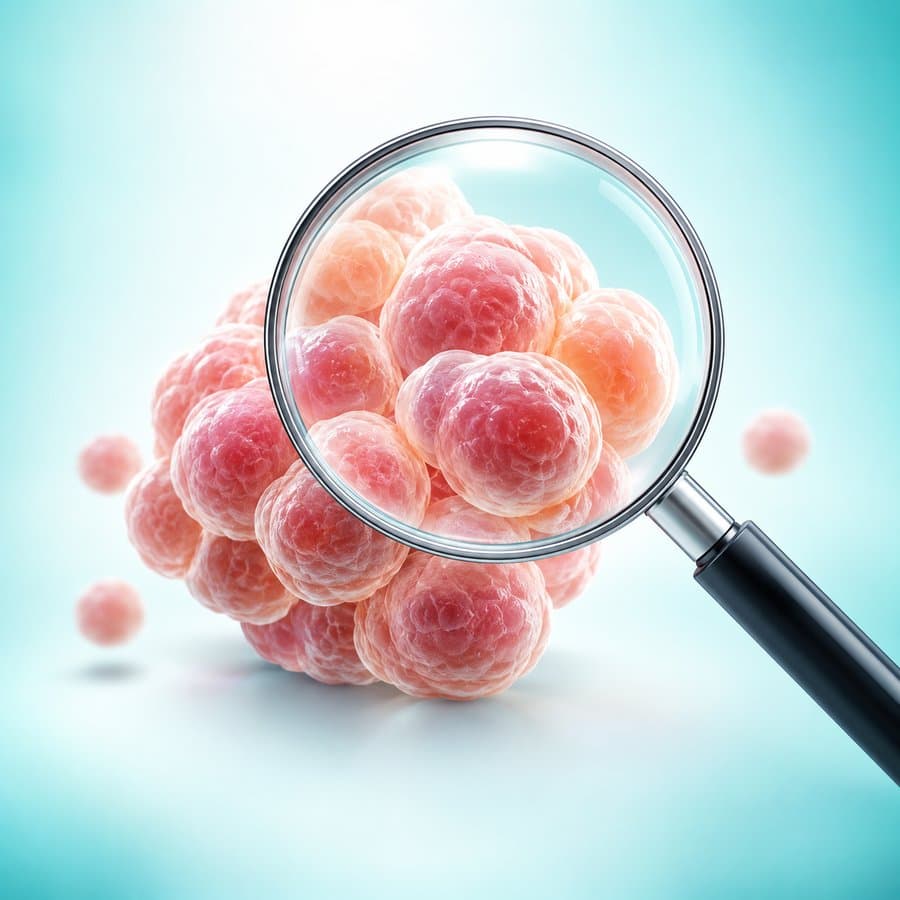

Illustration of a cluster of cells seen through a magnifying glass, representing childhood tumors
Tumors & Cysts

Steady hands for the hardest news

Hearing the word tumor in connection with your child is frightening. As a pediatric surgeon, my role is to work alongside your child's oncology team to obtain a diagnosis safely and, when needed, remove the tumor. We move carefully, explain everything, and make sure you never feel alone in the process.

Care team
Surgery, oncology, radiology together
First step
Often imaging and a biopsy
Hospital stay
Varies with the operation
Follow-up
Ongoing with your oncology team
Signs & symptoms

What families usually notice

Every child is different. These are the most common reasons families come to us.

  • A lump or swelling

    A firm mass in the belly, neck, or limb that a parent or pediatrician notices, sometimes without any pain.

  • A belly that seems bigger

    Some abdominal tumors in young children are first noticed as a fuller or rounder tummy.

  • Tiredness or paleness

    Unusual fatigue, pallor, or easy bruising can prompt bloodwork that leads to further evaluation.

  • Unexplained fevers or weight loss

    Persistent symptoms without a clear cause deserve a closer look.

  • A finding on imaging

    Many families come to us after a scan done for another reason shows something unexpected.

When to call, and when to go straight in

If your child has been referred to us, call our office and we will see you promptly; these visits are prioritized. If your child has severe pain, trouble breathing, uncontrolled vomiting, or is difficult to wake, go to the emergency room or call 911 right away.

How we treat it

Dr. Frykman's approach

Minimally invasive wherever it is the safest choice, and a plan you can understand and take home.

  1. 01

    One team, one plan

    I coordinate closely with pediatric oncologists, radiologists, and pathologists, often through a tumor board, so that every decision reflects the whole team's expertise.

  2. 02

    Biopsy done thoughtfully

    When a diagnosis is needed, I choose the least invasive approach that gives the pathologist enough tissue, often laparoscopic or image-guided.

  3. 03

    Surgery at the right moment

    Some tumors are removed first; others shrink with chemotherapy before surgery. Timing is decided together with oncology.

  4. 04

    Support for the whole family

    Central lines for treatment, nutrition support, and honest conversations are all part of the care we provide.

What to expect

Before, during and after

  1. Before

    Understanding what we are facing

    Imaging, bloodwork, and a team review help us understand the tumor. We meet with you to explain the findings and the recommended next step.

  2. Day of surgery

    A carefully planned operation

    Whether it is a biopsy, line placement, or tumor removal, your child is cared for by a pediatric anesthesia team and I speak with you as soon as we finish.

  3. Recovery

    Healing and next steps

    Recovery depends on the operation. Throughout, we stay in close contact with oncology so treatment continues smoothly.

Recovery

Getting back to being a kid

  • Pain is managed carefully with a plan tailored to your child.

  • Activity increases gradually as incisions heal.

  • Pathology results typically take several days; we will call you when they arrive.

  • Oncology follow-up is arranged before you leave the hospital.

  • Our team remains available for questions between visits.

Questions

What parents ask us

Still wondering about something? Bring every question to the consultation. Nothing is too small.

  • No. Many childhood tumors are benign. A biopsy or removal is often how we find out.

  • Your pediatric oncologist usually coordinates overall treatment, and I lead the surgical portion in close partnership with them.

  • Whenever it is safe and effective, yes. Some tumors require an open operation to be removed completely, and I will explain why.

  • Operations for tumors take place in a children's hospital setting with full pediatric oncology support.

Talk it through

Discuss this with Dr. Frykman

Request an appointment and a member of the team will call you back. Urgent concerns are triaged the same day wherever possible.

Dr. Philip K. Frykman

Dr. Philip K. Frykman

Board-certified pediatric surgeon

You will never be handed off; I stay with your family from the first conversation through every step that follows.
From the blog

Related reading

All articles
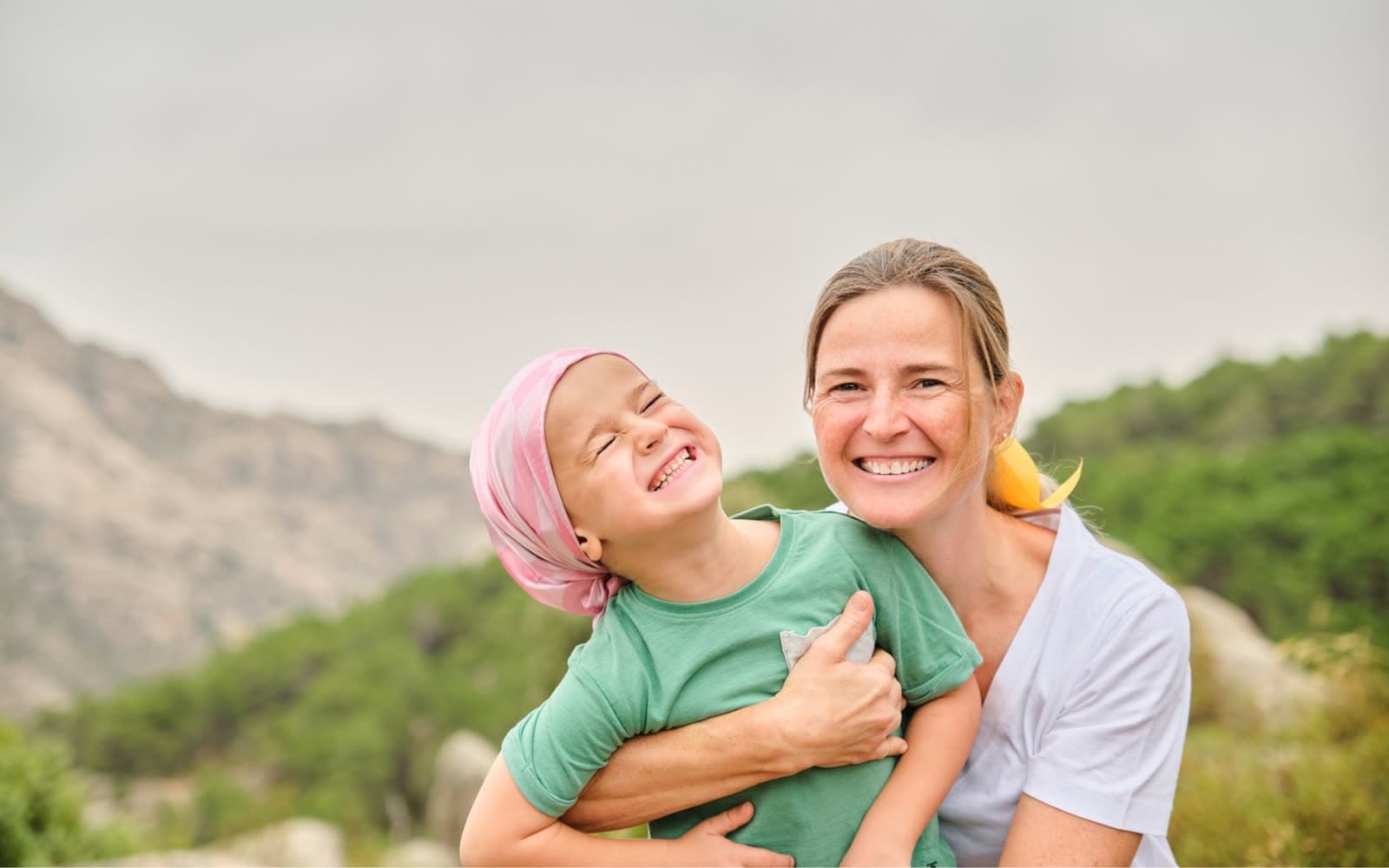
  • childhood tumors | Child with pediatric tumors, and mother smiling outdoors togetherTumors & Cysts

    7 min read

    Childhood Tumors: Pediatric Surgical Care and Second Opinions

    Hearing that your child may have a tumor is overwhelming. Families want clear answers, a safe plan, and a coordinated team that knows pediatric cancer care inside and out. This guide explains the pediatric surgeon’s role from first imaging and biopsy to tumor resection, how decisions are made with pediatric oncology using evidence-based protocols, and…

    Read article