
Protecting the body's blood filter
The spleen filters blood and helps fight infection. Children may need spleen surgery for blood disorders such as hereditary spherocytosis, immune thrombocytopenia (ITP), or sickle cell disease, for spleen cysts, or after an injury. Removal or partial removal is often done laparoscopically, and we prepare families carefully for life afterward.
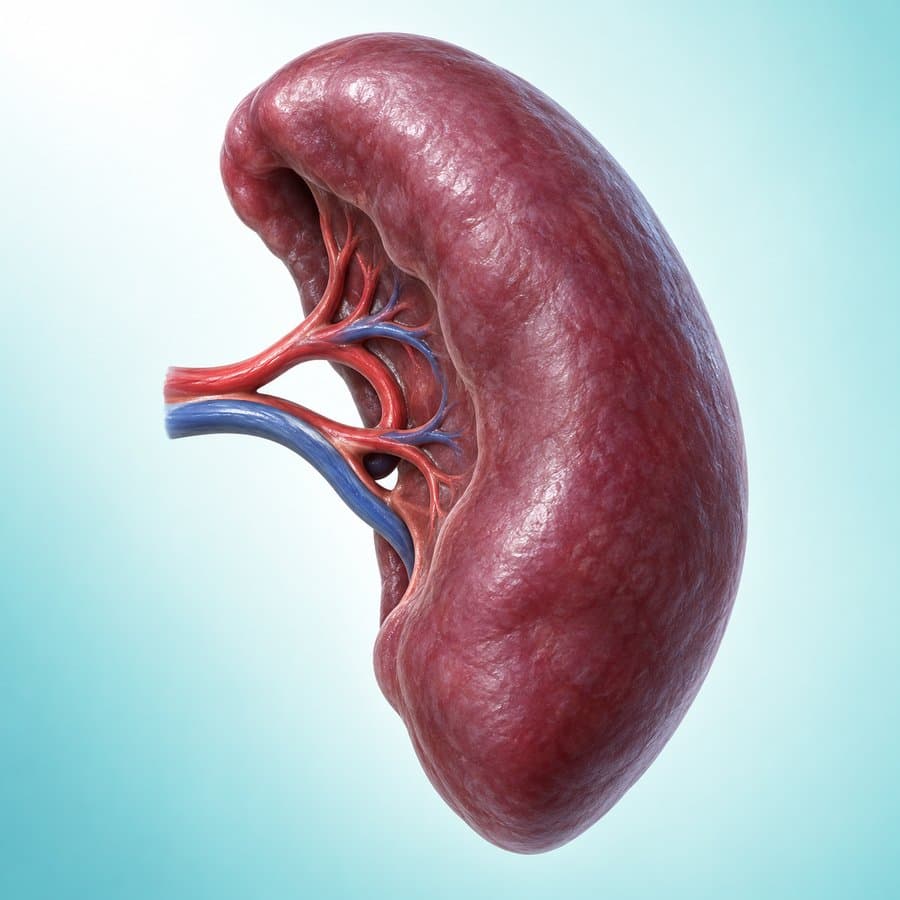
- Typical age
- Often school-age and older
- Procedure time
- Usually 1-2 hours
- Hospital stay
- Typically one to three nights
- Back to play
- Sports after about four to six weeks
What families usually notice
Every child is different. These are the most common reasons families come to us about spleen disorders.
A blood disorder needing treatment
Hematologists sometimes recommend spleen removal when the spleen destroys red cells or platelets too quickly.
An enlarged spleen
A spleen that has grown large can cause fullness, early satiety, or discomfort under the left ribs.
A cyst on imaging
Spleen cysts are usually benign but can grow or cause symptoms.
Injury from a fall or accident
The spleen is the most commonly injured abdominal organ in children. Most injuries heal without surgery.
Frequent transfusions or crises
In some children with sickle cell disease, spleen removal reduces certain complications.
When to call, and when to go straight in
After any significant blow to the belly or left side, especially with pain, paleness, or dizziness, go to the emergency room or call 911. Children without a spleen who develop a fever should be seen urgently the same day. For planning, follow-up, or vaccine questions, call our office.
Dr. Frykman's approach
Minimally invasive wherever it is the safest choice, and a plan you can understand and take home.
- 01
Laparoscopic splenectomy
Most spleens, even enlarged ones, can be removed through small incisions, which usually means less pain and a shorter stay.
- 02
Partial removal when possible
For some cysts and certain blood disorders, keeping part of the spleen preserves immune function. We discuss whether this fits your child.
- 03
Preserving the injured spleen
After trauma, most spleens heal with observation. Surgery is reserved for ongoing bleeding.
- 04
Infection prevention planning
Vaccines before surgery and clear guidance afterward help protect children who live without a spleen.
Before, during and after
Before
Coordinated preparation
Your hematologist and I plan together. Recommended vaccines are given ahead of time, and imaging confirms spleen size and any gallstones that could be addressed at the same time.
Day of surgery
Small incisions, careful technique
The spleen is removed laparoscopically under general anesthesia. Blood counts are checked afterward and you are updated as soon as we finish.
Recovery
Home in a few days, protected for life
Most children are home within a few days. We review fever precautions and follow up with hematology to confirm blood counts respond as hoped.
Getting back to being a kid
Walking early speeds recovery and comfort.
Pain usually eases substantially within a week.
School typically resumes within one to two weeks.
Contact sports wait until we clear them.
Any fever after splenectomy needs prompt medical attention; we provide a written plan.
What parents ask us
Still wondering about something? Bring every question to the consultation. Nothing is too small.
Yes. Other organs take over most of its work, but there is a higher risk from certain infections, which vaccines and prompt fever care help manage.
Many children take daily preventive antibiotics for a period after surgery. Your hematologist will guide the duration.
Some blood disorders cause gallstones. If present, removing the gallbladder in the same operation avoids a second surgery.
Not always. It depends on the condition and the spleen's anatomy, and we will explain what is realistic for your child.
Talk it through
Discuss this with Dr. Frykman
Request an appointment and a member of the team will call you back. Urgent concerns are triaged the same day wherever possible.

Dr. Philip K. Frykman
Board-certified pediatric surgeon
Living without a spleen is very manageable, and I will make sure you leave with a clear plan and complete confidence.
Families also ask about
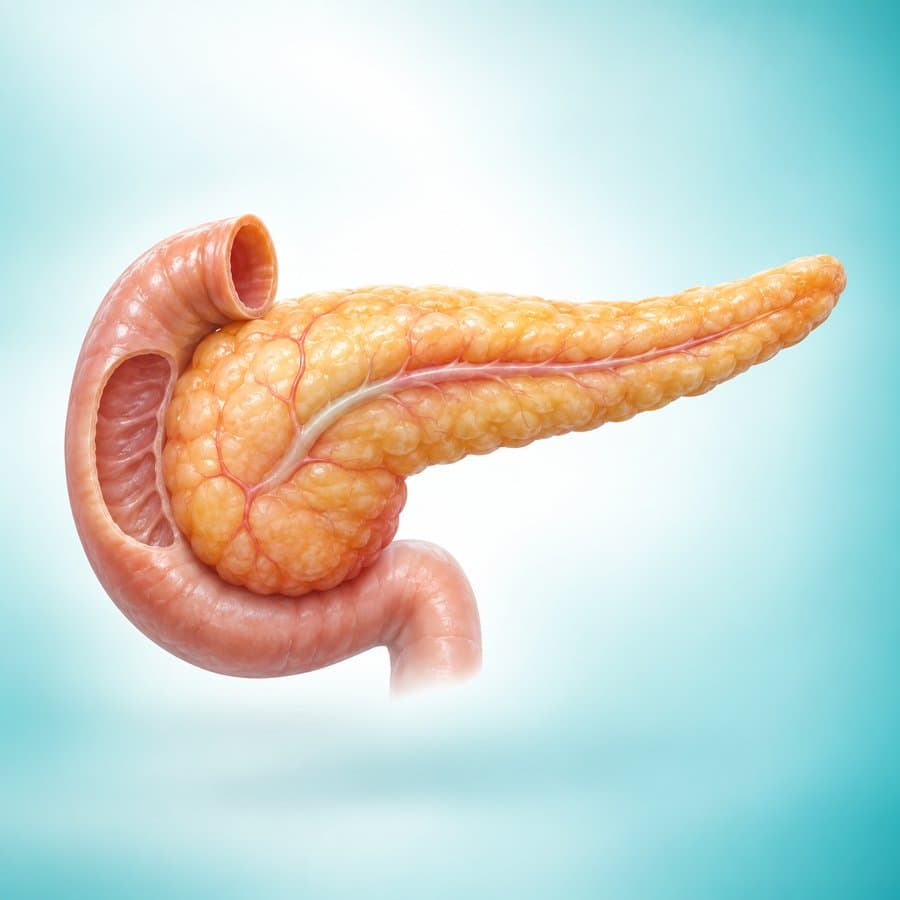 Abdominal & Digestive
Pancreatic Conditions
Specialized surgical treatment for pancreatic disorders, cysts and related conditions.
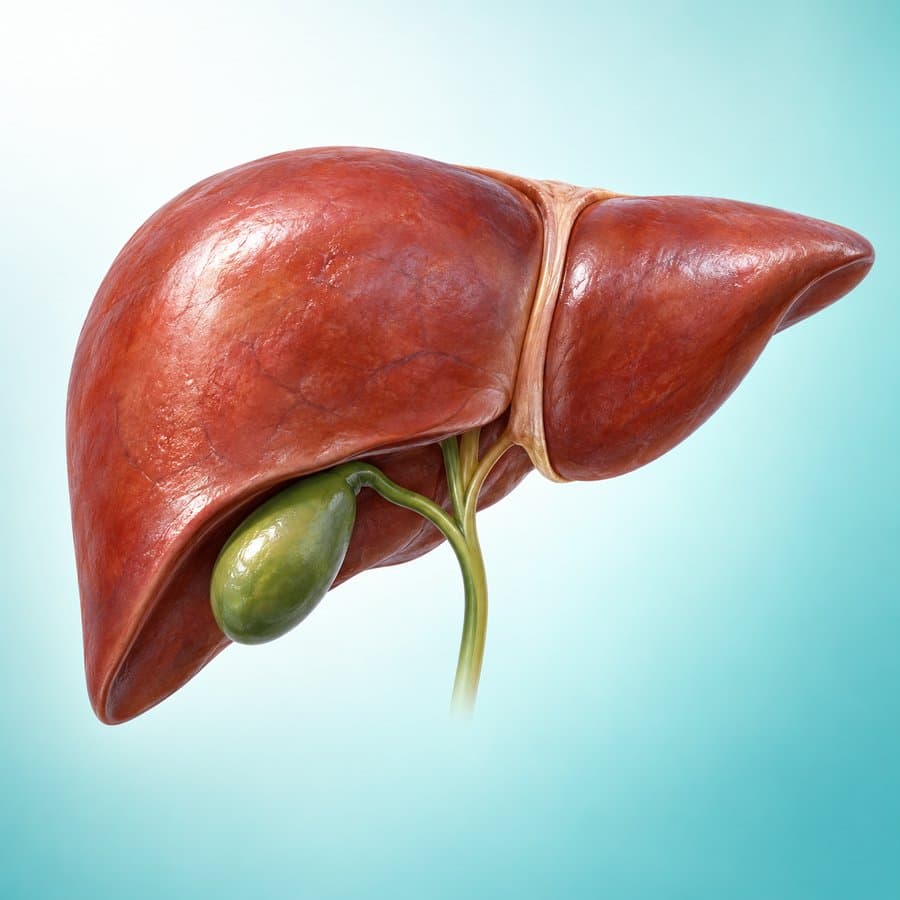 Abdominal & Digestive
Liver & Bile Duct Disorders
Expert management of congenital liver and bile duct conditions in infants and children.
 Tumors & Cysts
Childhood Tumors & Cancers
Compassionate surgical care and biopsies for solid tumors, coordinated with oncology.