
Uncommon problems, an experienced guide
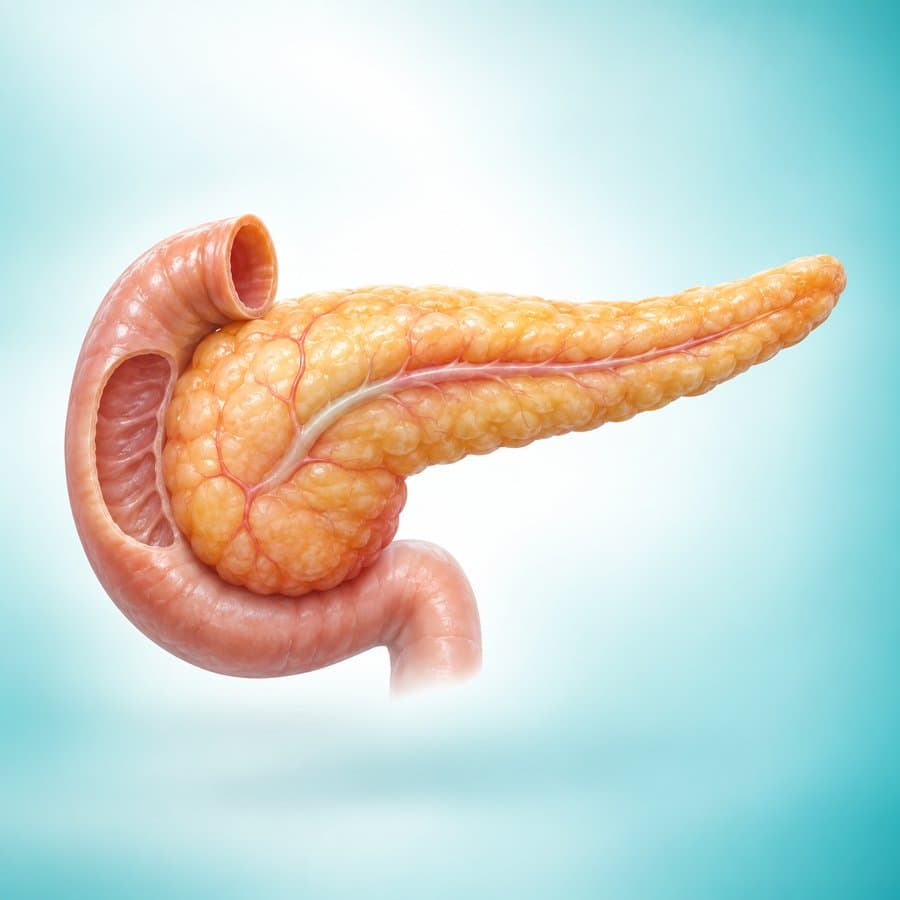
The pancreas makes digestive enzymes and insulin. Pancreatic conditions are uncommon in children but include pancreatitis, pancreatic cysts and pseudocysts, injuries from accidents, and rare masses. Because they are uncommon, families often feel unsure where to turn. We are here to explain, coordinate, and treat.
- Typical age
- School-age children and teens most often
- Procedure time
- Varies widely with the condition
- Hospital stay
- Often several days
- Back to play
- Typically within a few weeks
What families usually notice
Every child is different. These are the most common reasons families come to us.
Upper belly pain that radiates to the back
This is the classic sign of pancreatitis, often with nausea and vomiting.
Pain after a belly injury
Bicycle handlebar and seatbelt injuries can bruise or injure the pancreas.
A fluid collection on imaging
After pancreatitis, a pseudocyst can form and may need drainage if it persists or causes symptoms.
Repeated episodes
Recurrent pancreatitis sometimes has a structural or genetic cause worth investigating.
A mass found on a scan
Pancreatic masses in children are rare and are often benign or low-grade, but need expert evaluation.
When to call, and when to go straight in
Go to the emergency room or call 911 for severe belly pain with vomiting, pain after a significant blow to the belly, high fever, or a child who is pale, sweaty, or hard to rouse. For follow-up after a hospital stay, recurrent mild symptoms, or imaging questions, call our office.
Dr. Frykman's approach
Minimally invasive wherever it is the safest choice, and a plan you can understand and take home.
- 01
Most pancreatitis is treated without surgery
Rest, fluids, pain control, and nutrition support are the mainstays. Surgery is reserved for complications.
- 02
Minimally invasive drainage
Persistent pseudocysts can often be drained endoscopically or laparoscopically rather than through a large incision.
- 03
Organ-preserving surgery
When part of the pancreas must be removed, I aim to preserve as much healthy tissue as possible to protect digestion and blood sugar control.
- 04
Gastroenterology partnership
Pediatric gastroenterologists and endocrinologists are part of the team for every pancreatic patient.
Before, during and after
Before
Diagnosis and stabilization
Bloodwork and imaging such as ultrasound, CT, or MRI clarify the problem. Many children are admitted for fluids and pain control while the plan takes shape.
Day of surgery
Only when it truly helps
If a procedure is needed, we choose the least invasive effective option and explain the goals, duration, and expected recovery before we begin.
Recovery
Gradual return of appetite and energy
Eating resumes slowly as the pancreas settles. Follow-up imaging and labs confirm healing, and we watch closely for recurrence.
Getting back to being a kid
Diet is reintroduced gradually, often starting low in fat.
Pain typically eases steadily over one to two weeks.
Repeat labs or imaging may be scheduled to confirm recovery.
Avoid contact sports until cleared, especially after injury.
Call for return of severe pain, vomiting, or fever.
What parents ask us
Still wondering about something? Bring every question to the consultation. Nothing is too small.
Causes include injury, gallstones, certain medicines, infections, and genetic factors. Sometimes no cause is found.
Most children with pancreatitis or a single episode of injury do not. Endocrinology follows those at higher risk.
No. Many shrink on their own over weeks. We intervene only if it persists, grows, or causes symptoms.
Pancreatic masses in children are rare and often benign or low-grade, but every one deserves careful evaluation with the oncology team.
Talk it through
Discuss this with Dr. Frykman
Request an appointment and a member of the team will call you back. Urgent concerns are triaged the same day wherever possible.

Dr. Philip K. Frykman
Board-certified pediatric surgeon
Rare does not have to mean frightening; with a clear plan and the right team, your child is in good hands.
Families also ask about
 Abdominal & Digestive
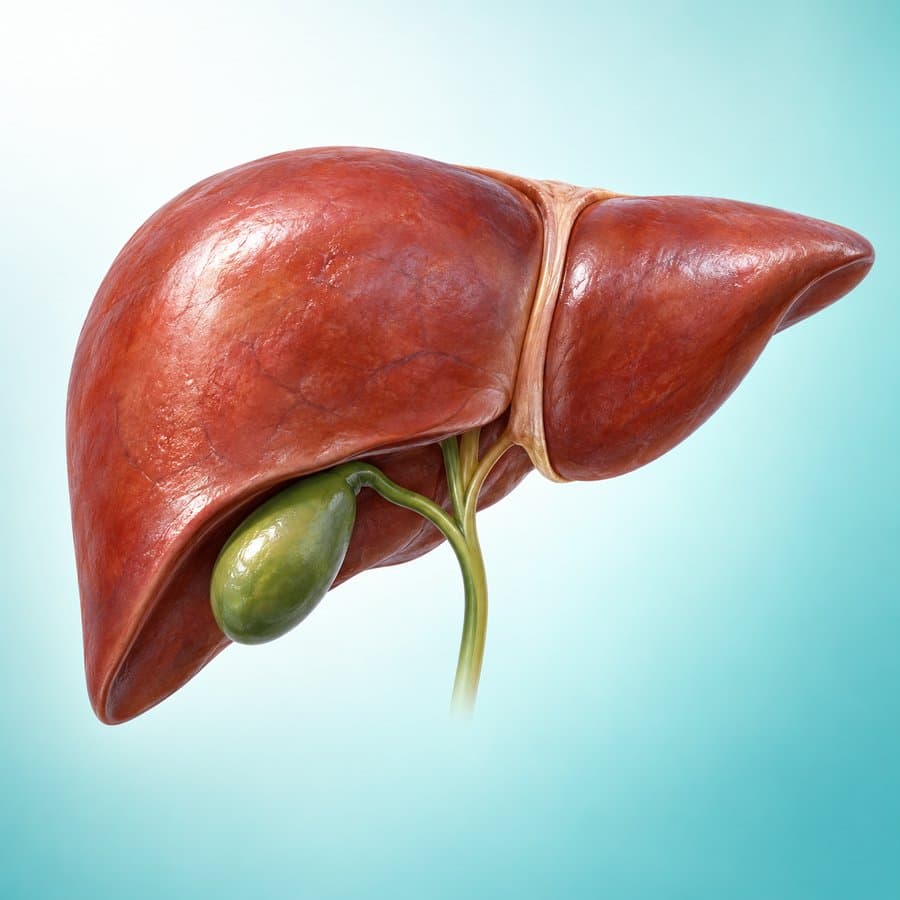
Liver & Bile Duct Disorders
Expert management of congenital liver and bile duct conditions in infants and children.
 Abdominal & Digestive
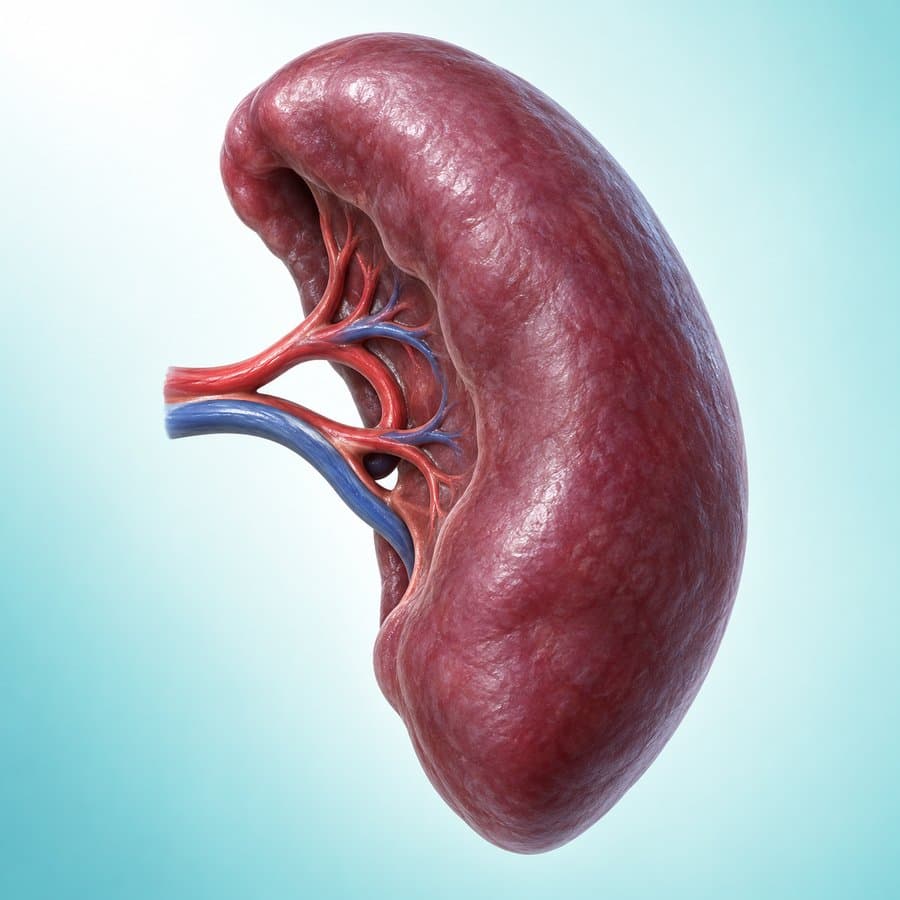
Spleen Disorders
Minimally invasive spleen surgery for blood disorders, cysts and traumatic injury.
 Tumors & Cysts
Childhood Tumors & Cancers
Compassionate surgical care and biopsies for solid tumors, coordinated with oncology.