

When to meet
Soon after a prenatal finding, often mid-pregnancy
Length
Usually 45-60 minutes
Who attends
Parents, partners, and any support person
Outcome
A written plan for birth and the first days
Signs & symptoms

What families usually notice

  • An abdominal wall difference

    Gastroschisis or omphalocele, where some organs develop outside the belly, are usually seen on routine ultrasound.

  • A diaphragmatic hernia

    An opening in the diaphragm allows organs to move into the chest and affects lung development.

  • A suspected bowel blockage

    Dilated bowel loops or extra amniotic fluid may point to an intestinal atresia.

  • A lung or chest lesion

    Congenital lung malformations are often found prenatally and may need monitoring or surgery after birth.

  • A cyst or mass

    Ovarian cysts, sacrococcygeal teratomas, and other masses benefit from a plan made before delivery.

When to call, and when to go straight in

Call our office as soon as your obstetrician or maternal-fetal medicine specialist suggests a surgical consultation; we make room for these visits quickly. For any pregnancy emergency, such as bleeding, severe pain, or reduced fetal movement, contact your obstetric team or go to the emergency room or call 911.

Talk it through

Discuss this with Dr. Frykman

Request an appointment and a member of the team will call you back. Urgent concerns are triaged the same day wherever possible.

How we treat it

Dr. Frykman's approach

  1. Plain-language explanation

    I walk you through the diagnosis, what it typically means, and the range of outcomes, using drawings and your own imaging.

  2. A coordinated birth plan

    I work with maternal-fetal medicine and neonatology so delivery happens where your baby can receive immediate surgical care if needed.

  3. Honest about uncertainty

    Some things cannot be known until birth. I tell you what we know, what we will learn, and how decisions will be made.

  4. Minimally invasive options when the time comes

    Many newborn operations can be performed with small incisions, and we discuss what may be possible for your baby.

What to expect

Before, during and after

  1. Before

    Gathering your imaging and questions

    We request your ultrasound and MRI reports ahead of time. Write down every question; nothing is too small.

  2. The consultation

    The consultation itself

    We sit down together, review the findings, discuss the likely path after birth, and answer everything. You may tour the neonatal unit and meet the team.

  3. Recovery

    After the visit and planning ahead

    You receive a written summary and plan. We stay in touch through the pregnancy and are ready on delivery day.

Recovery

Getting back to being a kid

  • A written summary of the diagnosis and plan is sent to you and your obstetric team.

  • Follow-up visits are scheduled as the pregnancy progresses.

  • You will know where to deliver and who will be present.

  • We can connect you with parents who have walked a similar path.

  • Our office remains available for questions at any point.

Dr. Philip K. Frykman

Dr. Philip K. Frykman

Board-certified pediatric surgeon

Meeting before your baby is born lets us replace fear with a plan, and I consider it one of the most important things I do.
Questions

What parents ask us

  • Not always. Some conditions are repaired in the first days, others weeks or months later, and some are simply monitored.

  • Often the best plan is delivery at a hospital with a neonatal intensive care unit and pediatric surgery. We coordinate this with your team.

  • In most cases yes, and we will explain any special considerations ahead of time so there are no surprises.

  • Typically maternal-fetal medicine, neonatology, pediatric anesthesia, nursing, and sometimes other pediatric specialists.

From the blog

Related reading

All articles
  • Prenatal Consultation for Digestive Tract DisordersNewborn & Prenatal

    4 min read

    The Importance of Prenatal Consultation for Digestive Tract Disorders

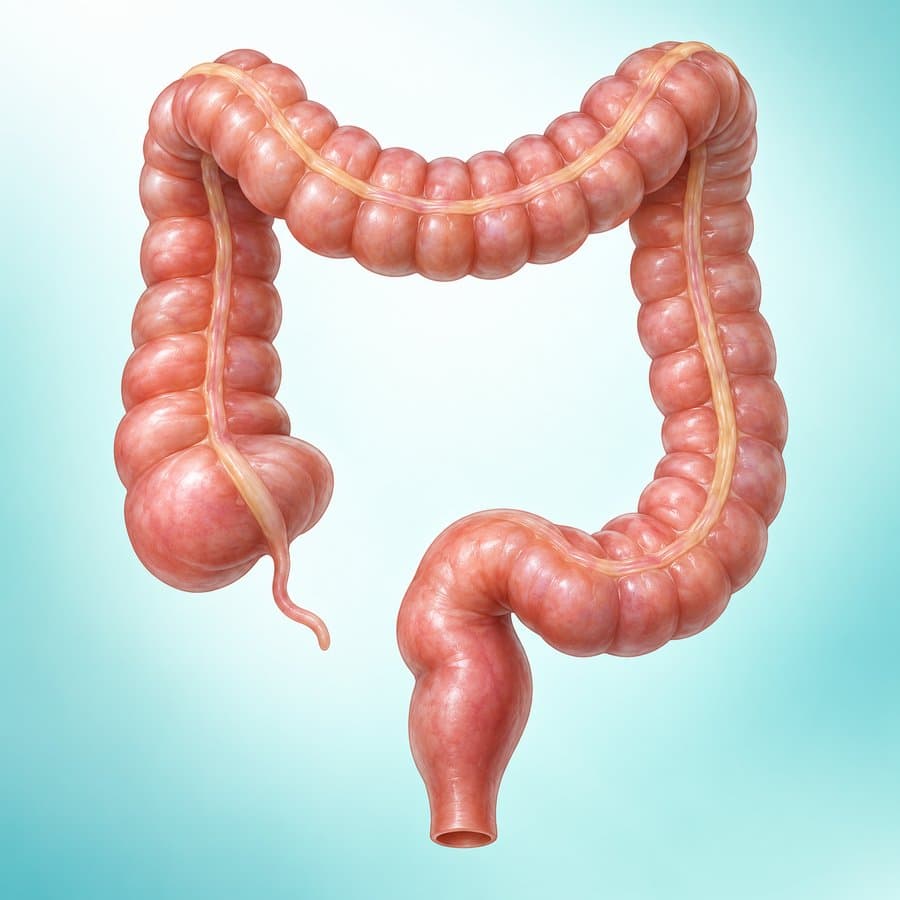
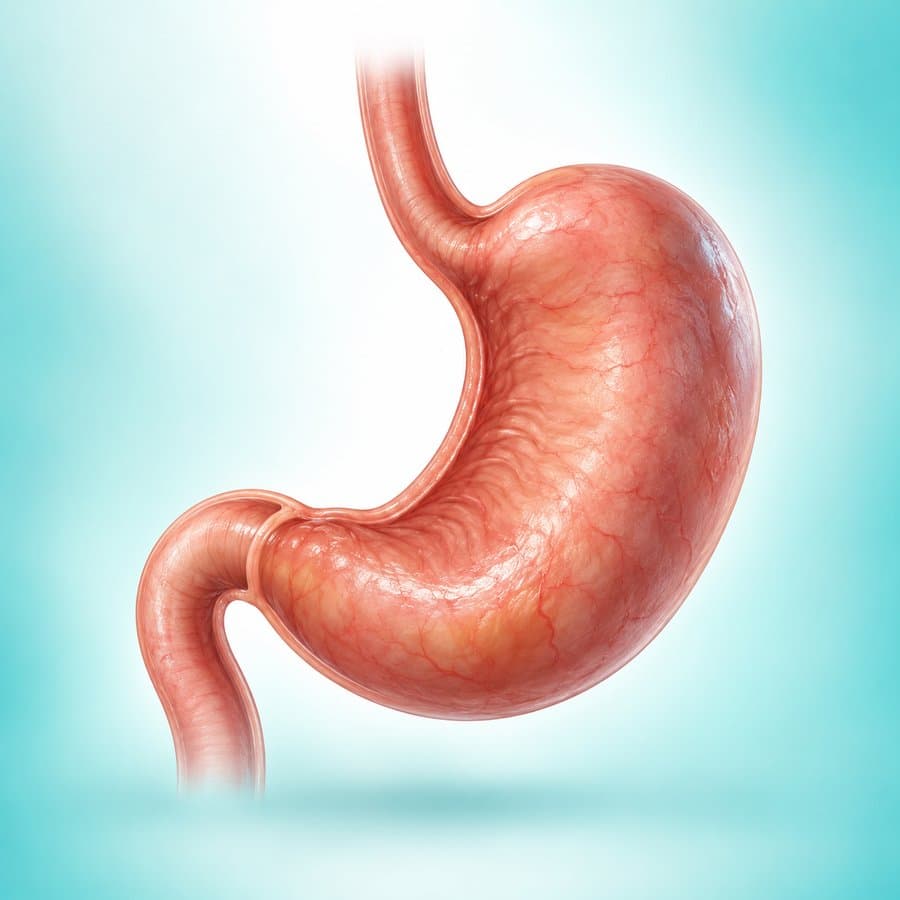
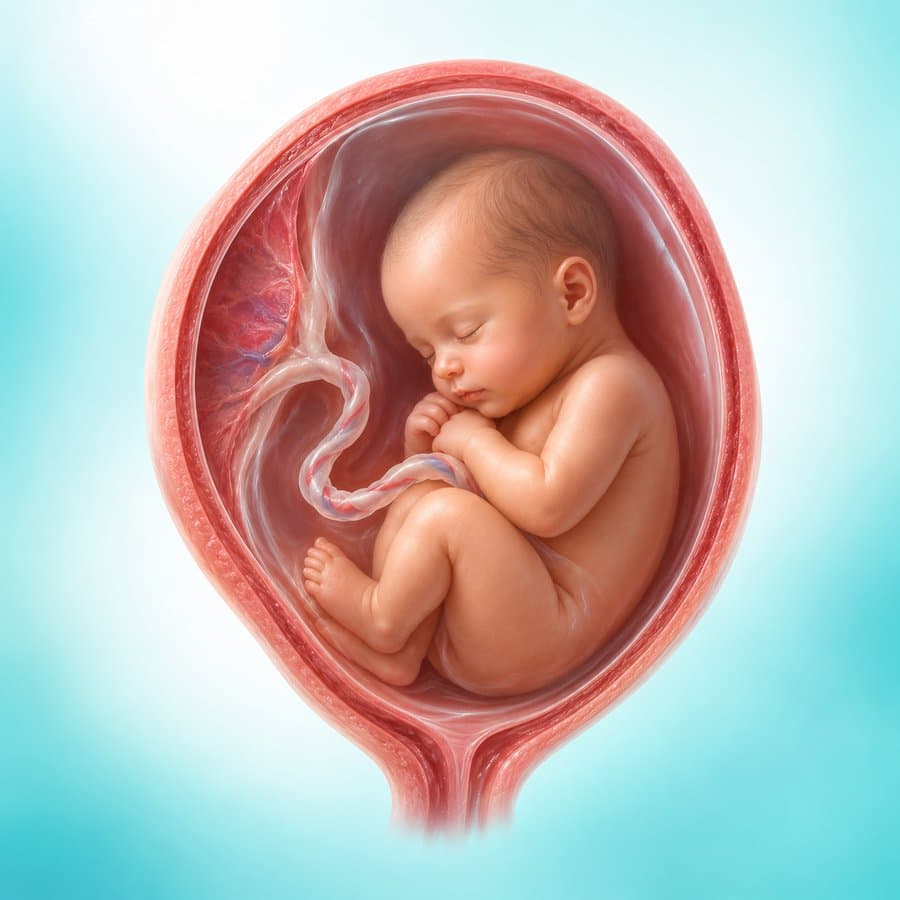
    For expecting parents, the excitement of welcoming a new baby comes with a natural focus on their child’s health. When a prenatal screening detects a possible digestive tract disorder, that excitement may turn to worry and questions. Knowing what to expect and how early intervention can help is essential. That’s where prenatal consultations with a…

    Read article